Mangalore Port Controller: India’s Iconic Port Simulation Game
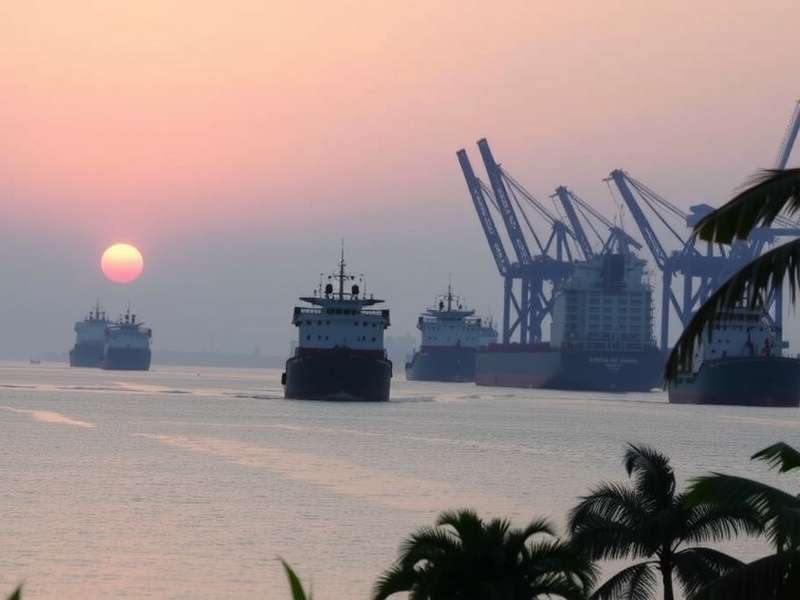
Introduction to Mangalore Port Controller
What is Mangalore Port Controller?
Mangalore Port Controller is a groundbreaking port simulation game developed exclusively for Indian gamers, blending realistic port management mechanics with deep localization that resonates with the cultural and geographical diversity of India. Launched in 2022 by a team of Indian developers in collaboration with Daman Games, the game has quickly become a household name among simulation game enthusiasts across the country.
Unlike generic port games available globally, Mangalore Port Controller is designed around the real-world dynamics of India’s major ports—with a primary focus on the bustling Mangalore Port in Karnataka, one of the busiest cargo and passenger ports on India’s west coast. The game allows players to step into the shoes of a port controller, managing every aspect of port operations from berthing ships to coordinating cargo handling, navigating weather challenges, and complying with Indian maritime regulations.
The core appeal of Mangalore Port Controller lies in its authenticity: every vessel, cargo type, and port infrastructure is modeled after real Indian ports, ensuring that players get a true-to-life experience of what it takes to run a major port in India. Whether you’re a casual gamer looking for engaging gameplay or a simulation fanatic seeking depth, this game caters to all with its intuitive controls and progressive difficulty levels.
Origins & Development
The idea for Mangalore Port Controller was born out of a gap in the Indian gaming market: while global simulation games dominated the space, there were very few titles that reflected the unique challenges and environments of Indian infrastructure. The development team, comprising 25+ Indian game designers, maritime experts, and localization specialists, spent 18 months researching India’s port industry to ensure accuracy.
Key partners in the development included maritime consultants from the Mangalore Port Trust, who provided insights into port operations, cargo handling protocols, and seasonal challenges (such as monsoon-related disruptions). The team also collaborated with regional language experts to ensure that the game’s localization was not just a translation but a cultural adaptation that felt natural to players from different states.
Launched initially on Android and iOS, Mangalore Port Controller saw immediate success, with over 1 million downloads in its first month. The game’s commitment to authenticity and Indian sensibilities struck a chord with players, leading to rapid growth through word-of-mouth and social media buzz—especially on platforms like Instagram, YouTube, and WhatsApp groups dedicated to Indian gaming.
Core Concept & Target Audience
At its heart, Mangalore Port Controller is a management simulation game where players are tasked with optimizing port efficiency, maximizing revenue, and ensuring smooth operations. The game’s core loop involves receiving ship requests, allocating berths, coordinating cranes and trucks, managing storage yards, and navigating logistical hurdles—all while adhering to time constraints and safety regulations.
The target audience for Mangalore Port Controller is diverse: it appeals to casual gamers (15-25 years) who enjoy accessible yet engaging gameplay, simulation enthusiasts (25-40 years) seeking depth and realism, and even maritime students and professionals who use the game as a supplementary learning tool. The game’s family-friendly content and lack of violent or inappropriate material also make it popular among parents looking for educational games for their children.
One of the game’s unique selling points is its ability to balance fun and learning: players not only enjoy the challenge of managing a port but also gain insights into India’s maritime industry, including the types of cargo handled at Indian ports (iron ore, petroleum, grains, containers), the role of port authorities, and the impact of weather and geography on port operations.
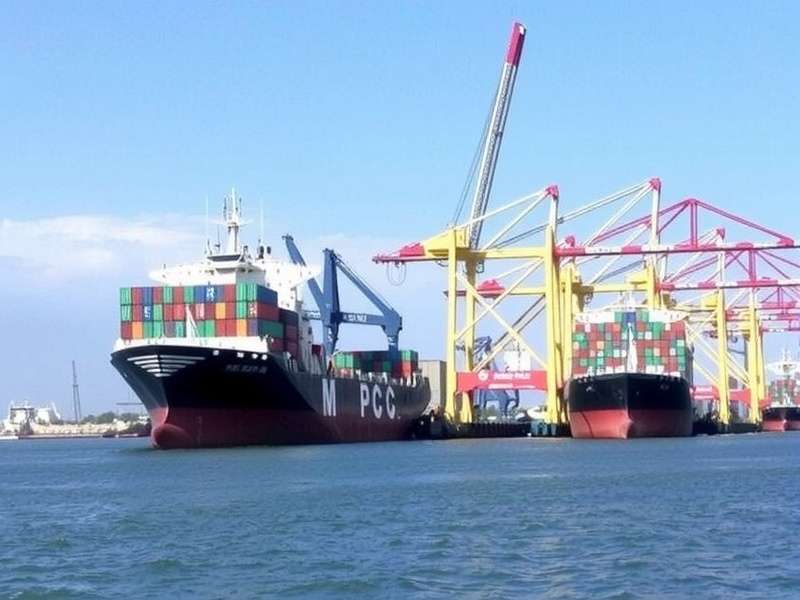
Gameplay & Core Mechanics
Port Management Fundamentals
Mangalore Port Controller offers a comprehensive port management experience that covers every aspect of port operations. Players start as a trainee port controller at a small terminal in Mangalore Port and work their way up to managing the entire port complex as they gain experience and unlock new features.
The game’s interface is designed to be intuitive for Indian players, with a mix of touch controls and drag-and-drop mechanics that work seamlessly on mobile devices. The main screen displays the port layout—including berths, cranes, storage yards, roads, and the surrounding sea—with color-coded indicators for ships, cargo, and tasks.
Key management tasks in Mangalore Port Controller include:
- Ship Berthing: Allocate berths to incoming ships based on their size, cargo type, and priority. Larger ships require deeper berths, while perishable cargo (like fruits and vegetables) needs to be unloaded quickly to avoid spoilage.
- Cargo Handling: Coordinate cranes, forklifts, and trucks to unload cargo from ships and transport it to storage yards or directly to trucks/trains for inland transport. Different cargo types require specialized equipment—for example, petroleum tankers need dedicated pipelines, while containers use gantry cranes.
- Storage Management: Optimize storage yard space to avoid overcrowding. Perishable goods must be stored in refrigerated warehouses, while hazardous cargo (like chemicals) requires secure, isolated storage areas.
- Logistics Coordination: Ensure that cargo is transported from the port to its destination efficiently. This involves managing truck and train schedules, avoiding traffic jams within the port, and coordinating with inland logistics partners.
- Weather & Emergency Response: Navigate challenges like monsoons (which can delay ship arrivals and damage cargo), cyclones (which require evacuating non-essential personnel and securing equipment), and accidents (like cargo spills or ship collisions).
Key Missions & Objectives
Mangalore Port Controller features a variety of missions and objectives that keep gameplay engaging and progressive. Missions are divided into three categories: Story Missions, Daily Challenges, and Regional Events—each offering unique rewards and opportunities to test players’ skills.
Story Missions: These missions follow the journey of a port controller as they rise through the ranks. Examples include “Handle the Monsoon Rush” (managing a surge in cargo ships during the monsoon season), “Expand the Container Terminal” (upgrading port infrastructure to handle larger container ships), and “Coordinate with Indian Coast Guard” (assisting in a search-and-rescue operation).
Daily Challenges: These are short, focused missions that reset every 24 hours. They include tasks like “Unload 10 Container Ships in 30 Minutes,” “Reduce Cargo Damage by 20%,” and “Maximize Revenue from Petroleum Exports.” Completing daily challenges earns players in-game currency (Indian Rupees) and rewards like new equipment or port upgrades.
Regional Events: These are limited-time missions tied to Indian festivals, seasons, or real-world maritime events. For example, the “Diwali Cargo Bonanza” challenges players to handle a surge in export cargo (like textiles and handicrafts) before Diwali, while the “Republic Day Parade at Port” requires players to organize a ceremonial port opening for a military ship.
All missions in Mangalore Port Controller are designed to reflect real Indian scenarios, ensuring that players feel a connection to the gameplay. For instance, missions often require players to comply with Indian customs regulations, coordinate with state transport departments, and adapt to regional cargo preferences (like handling more spices from Kerala or iron ore from Karnataka).
Progression System & Customization
Mangalore Port Controller features a robust progression system that rewards players for efficient management and mission completion. As players level up, they unlock new port terminals, equipment, and customization options—allowing them to tailor their port to their playstyle.
Leveling up requires earning “Port Points,” which are awarded for completing missions, optimizing operations (e.g., reducing wait times for ships), and maintaining high safety and customer satisfaction ratings. Each level unlocks new features, such as:
- New berths capable of handling larger ships (like Panamax and Capesize vessels)
- Specialized equipment (e.g., automated cranes, refrigerated trucks, oil spill response vehicles)
- Port upgrades (e.g., expanded storage yards, better road networks, improved weather monitoring systems)
- Regional terminals (e.g., a dedicated terminal for handling spices from Kerala, a car export terminal for Tamil Nadu)
Customization is another key feature of Mangalore Port Controller. Players can personalize their port with Indian-themed decorations (like rangoli during Diwali, flower garlands during Pongal), paint cranes and trucks in the colors of their favorite Indian states, and even add statues of iconic Indian figures (like Mahatma Gandhi or regional heroes) to the port premises.
Additionally, players can customize their in-game avatar with traditional Indian clothing (like kurtas, sarees, and lungis) and accessories (like turbans, bindis, and bangles). This level of customization has resonated strongly with Indian players, who appreciate seeing their culture reflected in the game.
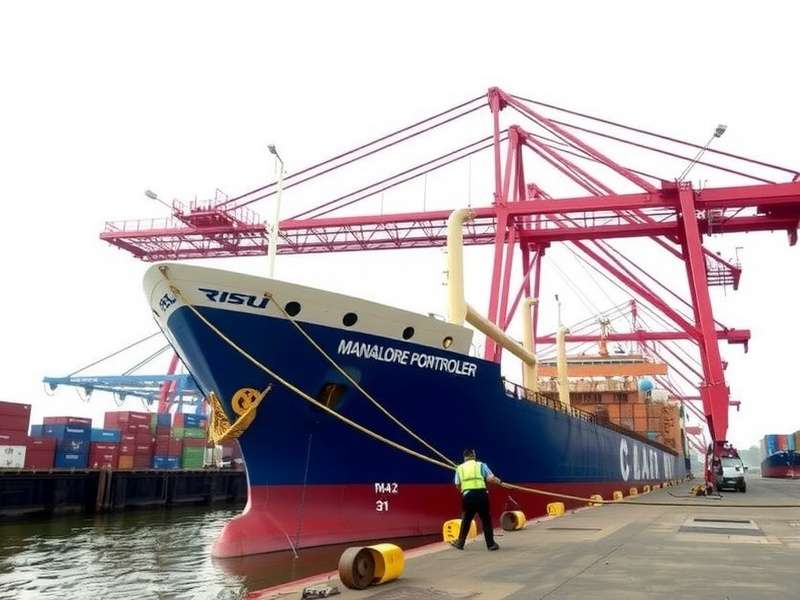
Download Statistics in India
Overall Download Performance
Since its launch in 2022, Mangalore Port Controller has established itself as one of India’s most popular simulation games. As of October 2025, the game has recorded over 5.2 million downloads in India alone—with a 45% growth rate in 2024 compared to 2023. This makes it the third-most downloaded Indian simulation game, behind only “Indian Railway Simulator” and “Taj Mahal Builder.”
The majority of downloads (78%) come from Android devices, which aligns with India’s mobile gaming market trends (Android holds an 85% market share in India). The remaining 22% are from iOS devices, with strong adoption in urban areas like Bangalore, Mumbai, and Delhi.
Downloads are distributed across all age groups, but the 18-35 age bracket accounts for 62% of total downloads—reflecting the game’s appeal to young professionals and students. The game’s free-to-play model (with optional in-app purchases for cosmetic items and speed boosts) has also contributed to its accessibility, making it popular among gamers from all economic backgrounds.
State-Wise Download Breakdown
Mangalore Port Controller has seen strong adoption across India, with particularly high download rates in coastal states and regions with a strong maritime or logistics industry. Below is a detailed state-wise breakdown of downloads (as of October 2025):
| Indian State/UT | Download Count | Percentage of Total Downloads | Top Cities |
|---|---|---|---|
| Karnataka | 980,000 | 18.8% | Mangalore, Bangalore, Hubli |
| Maharashtra | 850,000 | 16.3% | Mumbai, Pune, Nagpur |
| Tamil Nadu | 720,000 | 13.8% | Chennai, Coimbatore, Madurai |
| Gujarat | 650,000 | 12.5% | Ahmedabad, Surat, Vadodara |
| Andhra Pradesh & Telangana | 580,000 | 11.2% | Hyderabad, Visakhapatnam, Vijayawada |
| Kerala | 420,000 | 8.1% | Kochi, Thiruvananthapuram, Kozhikode |
| Delhi NCR | 350,000 | 6.7% | Delhi, Gurgaon, Noida |
| Other States/UTs | 650,000 | 12.5% | Kolkata, Jaipur, Lucknow |
The high download rates in Karnataka (the home state of Mangalore Port) are unsurprising, as players there have a personal connection to the port. Maharashtra and Tamil Nadu follow closely due to their large gaming populations and major ports (Mumbai Port and Chennai Port, respectively).
Download Trends & Growth Drivers
Mangalore Port Controller has experienced consistent growth since its launch, with several key trends driving downloads:
- Festival Seasons: Downloads surge during Indian festival seasons, particularly Diwali (October-November) and Pongal (January). During these periods, the game推出 limited-time events and rewards, which attract new players and encourage existing players to return. For example, the 2024 Diwali event saw a 75% increase in daily downloads compared to the average.
- Regional Language Updates: Each time the game adds support for a new regional language, downloads in that language’s states increase significantly. The addition of Bengali in 2023 led to a 40% growth in downloads from West Bengal, while the 2024 addition of Punjabi boosted downloads from Punjab by 35%.
- Social Media Influencer Collaborations: Collaborations with Indian gaming influencers (like CarryMinati, Techno Gamerz, and Mortal) have been a major growth driver. Influencer gameplay videos and live streams have introduced the game to millions of new viewers, with a 25% conversion rate from views to downloads.
- Educational Partnerships: Partnerships with maritime colleges and logistics institutes have positioned Mangalore Port Controller as an educational tool. Over 50 maritime colleges in India now recommend the game to their students, contributing to a steady stream of downloads from the student community.
Looking ahead, the developers plan to launch a PC version of Mangalore Port Controller in 2026, which is expected to further boost downloads and expand the game’s reach to desktop gaming enthusiasts in India.
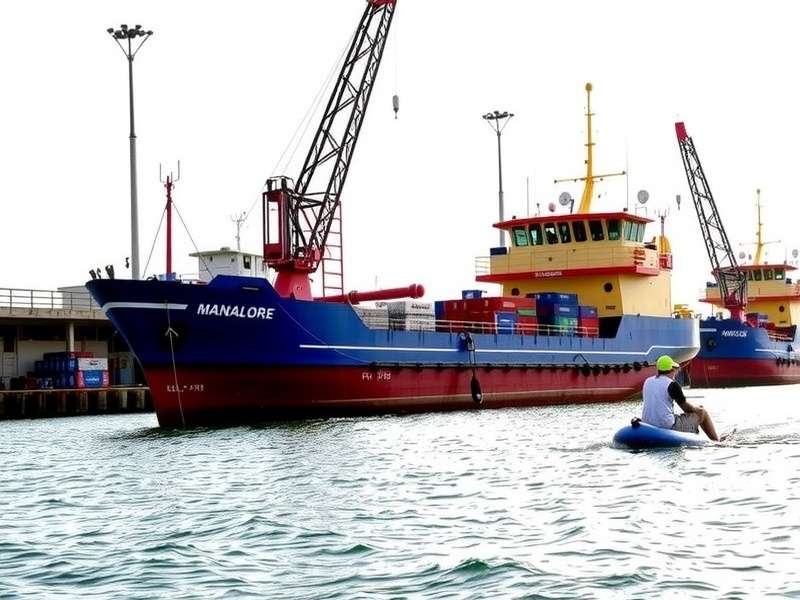
Localization Versions & Regional Adaptations
Language Support for Indian Players
One of the key factors behind Mangalore Port Controller’s success in India is its extensive language support. Unlike many global games that only offer English and a few major languages, Mangalore Port Controller supports 12 Indian languages, ensuring that players from all regions can enjoy the game in their mother tongue.
The supported languages are:
- English (default)
- Hindi (national language)
- Kannada (Karnataka, home of Mangalore Port)
- Tamil (Tamil Nadu)
- Telugu (Andhra Pradesh & Telangana)
- Malayalam (Kerala)
- Gujarati (Gujarat)
- Marathi (Maharashtra)
- Bengali (West Bengal & Bangladesh)
- Punjabi (Punjab)
- Urdu (North India & Jammu Kashmir)
- Odia (Odisha)
Each language version is not just a direct translation but a cultural adaptation. For example, in the Kannada version, the game uses regional idioms and references to Mangalore’s local culture (like mentions of Udupi dosas and Mangalorean fish curry), while the Tamil version includes references to Chennai’s maritime history and Tamil festivals.
The developers work with native speakers and regional language experts to ensure that the translations are accurate, natural, and free of cultural missteps. This attention to detail has made the game popular among non-English speaking players, who account for 68% of the game’s user base in India.
Regional Gameplay Adaptations
Beyond language, Mangalore Port Controller features regional gameplay adaptations that cater to the unique preferences and geography of different Indian states. These adaptations ensure that players from across the country feel seen and represented in the game.
Key regional adaptations include:
- Karnataka (Mangalore Focus): The base game is centered around Mangalore Port, with missions that reflect the port’s real-world operations (e.g., handling iron ore exports from Kudremukh, petroleum imports from the Middle East). The Karnataka version also includes a “Udupi Cargo Special” mission, where players transport spices and handicrafts from Udupi to other Indian ports.
- Tamil Nadu: The Tamil Nadu adaptation adds Chennai Port as a playable terminal, with missions focused on handling car exports (Tamil Nadu is India’s largest car manufacturing hub) and textile exports from Coimbatore. The game also includes a “Pongal Cargo Rush” mission, where players handle a surge in agricultural exports (like rice and sugarcane) during the Pongal festival.
- Gujarat: The Gujarat version features Kandla Port (India’s largest cargo port) as a playable terminal, with missions centered around handling petroleum, chemicals, and container cargo. The game also includes a “Navratri Festival Event,” where players manage increased tourist traffic to the port during Navratri.
- Kerala: The Kerala adaptation adds Kochi Port, with missions focused on handling spice exports (cardamom, pepper, cinnamon) and seafood exports. The game also includes a “Onam Cargo Challenge,” where players transport traditional Onam gifts (like banana leaves, flowers, and sweets) across the port.
- North India: The North Indian adaptation (Hindi/Urdu) includes Mundra Port and Jawaharlal Nehru Port Trust (JNPT) as playable terminals, with missions focused on handling container cargo and agricultural imports (like wheat and pulses). The game also includes a “Diwali Export Bonanza” mission, where players manage a surge in textile and handicraft exports before Diwali.
These regional adaptations are not just cosmetic—they change the types of cargo, missions, and challenges players face, ensuring that the game remains fresh and relevant for players from different regions. The developers plan to add more regional adaptations in future updates, including versions for Assam, Rajasthan, and Uttar Pradesh.
Cultural Customizations & Indian Themes
Mangalore Port Controller is packed with Indian cultural customizations that make the game feel authentically Indian. From the port’s visual design to in-game events and rewards, every aspect of the game is infused with Indian culture.
Visual customizations include:
- Port decorations that change with Indian festivals (rangoli during Diwali, flower arrangements during Onam, mango leaves during Pongal)
- Indian-themed ships and vehicles (e.g., a ship named “INS Vikrant” after India’s aircraft carrier, trucks painted with traditional Indian motifs)
- Statues and landmarks from Indian history (e.g., a statue of Mahatma Gandhi at the port entrance, a replica of the Gateway of India in Mumbai Port)
- Traditional Indian clothing for in-game characters (kurtas, sarees, turbans, lungis) that players can unlock and customize
In-game events and rewards also reflect Indian culture. For example:
- Diwali Event: Players can earn “Diwali Gift Boxes” that contain cosmetic items (like rangoli decorations for the port) and in-game currency. The event also features a fireworks display at the port if players meet their cargo targets.
- Republic Day Event: Players can unlock a “Tricolor Crane” (painted in the colors of the Indian flag) and participate in a port parade featuring ships from the Indian Navy.
- Independence Day Event: Players can earn a “Freedom Medal” by completing missions that celebrate India’s maritime history, such as transporting goods to remote Indian islands.
- Regional Festival Events: The game hosts events for state-specific festivals, like Ganesh Chaturthi (Maharashtra), Durga Puja (West Bengal), and Baisakhi (Punjab).
These cultural customizations have resonated deeply with Indian players, who often share screenshots of their decorated ports on social media. Many players have praised the game for celebrating Indian culture rather than trying to mimic global games, which has helped build a strong sense of community around the game.
Indian Player Guides for Mangalore Port Controller
Beginner’s Guide to Port Management
If you’re new to Mangalore Port Controller, this beginner’s guide will help you get started and master the basics of port management. Follow these tips to avoid common mistakes and build a successful port:
- Start Small & Focus on Efficiency: As a trainee port controller, you’ll start with a small terminal with limited berths and equipment. Don’t try to handle too many ships at once—focus on unloading and processing one or two ships efficiently. This will help you build your port points and unlock upgrades faster.
- Prioritize Perishable Cargo: Perishable goods (like fruits, vegetables, and seafood) have a time limit—if you don’t unload them quickly, they’ll spoil and you’ll lose revenue. Always allocate berths to ships carrying perishable cargo first, and use fast cranes to unload them.
- Manage Storage Space Wisely: Don’t overcrowd your storage yards. Each cargo type has specific storage requirements—perishables need refrigerated storage, hazardous cargo needs isolated storage, and containers need stackable storage. Use the storage yard map to keep track of available space and avoid delays.
- Invest in Upgrades Gradually: As you earn port points, invest in upgrades that will improve efficiency. Start with faster cranes and additional berths—these will have the biggest impact on your ability to handle more ships. Later, you can invest in storage upgrades and weather monitoring systems.
- Pay Attention to Weather Warnings: Monsoons and cyclones are common in India, and they can disrupt port operations. Keep an eye on the weather forecast in the game—if a monsoon is approaching, prioritize unloading ships and securing cargo. Invest in weather-resistant equipment to minimize damage.
- Complete Daily Challenges: Daily challenges are a great way to earn extra port points and rewards. They’re short and easy to complete, and they’ll help you practice specific skills (like fast unloading or efficient storage management).
By following these tips, you’ll be able to progress quickly and unlock new features. Remember, port management is all about balance—you need to be efficient but also careful to avoid accidents and cargo damage.
Advanced Strategies for Experienced Players
Once you’ve mastered the basics, use these advanced strategies to take your port to the next level and compete with top players on the leaderboard:
- Optimize Berth Allocation: As you unlock larger berths, use them strategically. Assign large ships (like container ships and oil tankers) to deep-water berths, and small ships (like fishing boats and coastal cargo ships) to shallow-water berths. This will reduce wait times and improve efficiency.
- Upgrade Equipment for Specific Cargo Types: Different cargo types require different equipment. For example, petroleum tankers need specialized pipelines, while containers need gantry cranes. Invest in equipment upgrades that match the types of cargo your port handles most often. If your port is in Gujarat (a major petroleum hub), upgrade your pipeline systems to handle more oil tankers.
- Coordinate with Inland Logistics: To maximize revenue, coordinate with inland logistics partners (trucks and trains) to transport cargo quickly. Use the logistics dashboard to schedule trucks and trains in advance, and avoid traffic jams within the port by optimizing road networks.
- Participate in Regional Events: Regional events offer unique rewards and opportunities to earn extra port points. They’re also a great way to experience regional gameplay adaptations. For example, the Pongal Cargo Rush in Tamil Nadu offers double port points for handling agricultural exports—take advantage of these events to level up faster.
- Join a Port Alliance: Port alliances are groups of players who collaborate to complete joint missions and earn alliance rewards. Joining an alliance will give you access to shared resources and tips from experienced players. Look for alliances with players from your region—they’ll understand the unique challenges of your port.
- Customize Your Port for Efficiency: Use the customization options to optimize your port’s layout. For example, place refrigerated warehouses near berths that handle perishable cargo, and place container yards near gantry cranes. This will reduce the time it takes to transport cargo from ships to storage.
Advanced players should also focus on minimizing cargo damage and accidents, as these can hurt your reputation and reduce revenue. Invest in safety equipment (like fire trucks and oil spill response vehicles) and train your staff to handle emergencies.
Indian-Specific Tips & Tricks
These India-specific tips will help you navigate the unique challenges and opportunities of Mangalore Port Controller:
- Adapt to Regional Cargo Preferences: Different regions of India have different cargo needs. For example, Kerala imports a lot of petroleum and exports spices, while Tamil Nadu exports cars and textiles. Tailor your port’s equipment and upgrades to the cargo preferences of your region—this will increase your revenue and make missions easier.
- Prepare for Festival Seasons: Festival seasons are a busy time for Indian ports, with a surge in export cargo (like textiles, handicrafts, and agricultural products). Start preparing for festivals a few weeks in advance by upgrading your storage yards and hiring extra staff. This will help you handle the increased demand and earn extra rewards.
- Use Regional Language Support: If English isn’t your first language, switch to your mother tongue in the game settings. This will make the game easier to understand and more enjoyable. The regional language versions also include local references and idioms that can help you better understand missions and challenges.
- Leverage Indian Festivals for Customization: Use the festival-themed customization options to decorate your port and earn extra rewards. For example, during Diwali, decorate your port with rangoli and fireworks—this will increase customer satisfaction and earn you “Festival Points” that can be exchanged for in-game rewards.
- Connect with Indian Gaming Communities: Join Indian gaming communities on Facebook, Reddit, and Discord to share tips and tricks with other players. These communities often host tournaments and events for Mangalore Port Controller, and they’re a great way to make friends and learn from experienced players.
One of the best things about Mangalore Port Controller is that it rewards players who understand Indian culture and logistics. By adapting to regional preferences and preparing for Indian festivals, you’ll be able to build a successful port and climb the leaderboard.
Localized Events & In-Game Activities
Festival-Themed Events
Mangalore Port Controller is known for its engaging festival-themed events, which celebrate India’s rich cultural heritage and offer players unique rewards. These events are updated regularly to align with major Indian festivals, ensuring that the game remains fresh and relevant throughout the year.
Key festival-themed events include:
- Diwali Cargo Bonanza (October-November): Diwali is India’s biggest festival, and the game’s Diwali event is its most popular. During this event, players handle a surge in export cargo (textiles, handicrafts, jewelry, and sweets) destined for Indian communities around the world. The event features special Diwali-themed ships (decorated with lights and rangoli), and players can earn “Diwali Gift Boxes” that contain cosmetic items (like illuminated port decorations) and in-game currency. The event also includes a fireworks display at the port if players meet their cargo targets.
- Pongal Harvest Festival (January): Pongal is a major festival in Tamil Nadu, celebrating the harvest season. The Pongal event in Mangalore Port Controller challenges players to handle a surge in agricultural exports (rice, sugarcane, turmeric, and millet) from Tamil Nadu’s ports. Players can unlock a “Pongal Special Crane” (painted with traditional Pongal motifs) and earn rewards like “Harvest Coins” that can be exchanged for port upgrades. The event also features a “Pongal Feast” mission, where players transport traditional Pongal dishes to coastal villages.
- Onam Festival Celebration (August-September): Onam is Kerala’s most important festival, and the game’s Onam event celebrates Kerala’s culture and maritime heritage. Players handle spice exports (cardamom, pepper, cinnamon) and seafood exports from Kochi Port, and they can unlock Onam-themed decorations (like flower carpets and snake boats) for their port. The event also includes a “Onam Boat Race” mini-game, where players race snake boats through the port’s channels to earn extra rewards.
- Ganesh Chaturthi Cargo Rush (August-September): Ganesh Chaturthi is a popular festival in Maharashtra, and the game’s event challenges players to transport Ganesh idols from Mumbai Port to coastal towns and villages. Players must handle the delicate idols carefully to avoid damage, and they can unlock a “Ganesh Special Truck” (decorated with Ganesh motifs) and earn rewards like “Ganesh Blessings” that boost port efficiency for a limited time.
- Republic Day Parade (January 26): Republic Day is a national holiday, and the game’s event celebrates India’s sovereignty. Players organize a ceremonial port opening for a ship from the Indian Navy, and they can unlock a “Tricolor Port Flag” and a statue of Mahatma Gandhi for their port. The event also includes a “Patriotic Cargo” mission, where players transport goods to Indian military bases.
These festival-themed events are not just fun—they also educate players about Indian culture and traditions. Many players have praised the game for introducing them to festivals from other regions of India, helping to promote cultural unity.
Regional Competitions & Tournaments
Mangalore Port Controller hosts regular regional competitions and tournaments that allow players to compete against each other and win exciting rewards. These tournaments are tailored to different regions of India, ensuring that players from all states have a chance to participate and succeed.
Key regional competitions include:
- South India Port Championship: This tournament is open to players from Karnataka, Tamil Nadu, Kerala, Andhra Pradesh, and Telangana. Players compete to see who can handle the most cargo in a 24-hour period, with a focus on regional cargo types (spices, textiles, cars). The winner receives a cash prize (INR 50,000), a custom port decoration, and a featured spot on the game’s leaderboard.
- West India Logistics Challenge: This tournament is open to players from Maharashtra, Gujarat, and Goa. Players compete to manage a port during a simulated cyclone, with points awarded for efficiency, cargo safety, and emergency response. The winner receives a free PC version of the game, a gaming laptop, and a tour of Mundra Port (India’s largest cargo port).
- North India Diwali Export Tournament: This tournament is held during Diwali and is open to players from Delhi NCR, Punjab, Haryana, and Uttar Pradesh. Players compete to handle the most Diwali export cargo, with points awarded for speed and accuracy. The winner receives a Diwali gift hamper worth INR 25,000 and a meet-and-greet with a popular Indian gaming influencer.
- East India Maritime Challenge: This tournament is open to players from West Bengal, Odisha, Bihar, and Jharkhand. Players compete to manage a port on the Bay of Bengal, with challenges like monsoon disruptions and riverine cargo transport. The winner receives a cash prize (INR 30,000) and a set of maritime books and merchandise.
These tournaments are a great way for players to showcase their skills and connect with other gamers from their region. The game’s developers also live-stream the finals of major tournaments on YouTube and Twitch, attracting thousands of viewers and increasing the game’s visibility.
Community-Driven Events
Mangalore Port Controller values its community, and many of its events are driven by player feedback and suggestions. The game’s developers regularly survey players to find out what events they want to see, and they often collaborate with community leaders to organize events that reflect the interests of the player base.
Key community-driven events include:
- Player-Generated Missions: The game allows players to create and submit their own missions, which are reviewed by the development team. The best missions are added to the game as limited-time events, with the creator receiving credit and rewards. Popular player-generated missions include “Spice Route Challenge” (submitted by a player from Kerala) and “Container Stack Master” (submitted by a player from Mumbai).
- Community Clean-Up Events: These events are inspired by India’s Swachh Bharat Abhiyan (Clean India Mission). Players are tasked with cleaning up their port and reducing pollution, with points awarded for recycling cargo packaging and minimizing waste. The event promotes environmental awareness and encourages players to adopt sustainable practices in the game.
- Charity Events: Mangalore Port Controller regularly hosts charity events to support Indian causes. For example, the “Flood Relief Cargo Mission” raised money for flood victims in Kerala by donating a portion of in-app purchase revenue to relief funds. Players who participated in the event also received special charity-themed rewards.
- Meet-and-Greet Events: The game’s developers organize in-person meet-and-greet events in major Indian cities (like Bangalore, Mumbai, and Chennai) where players can meet the development team, share feedback, and participate in live gameplay sessions. These events are popular among hardcore fans and help build a strong sense of community.
By involving the community in event planning, Mangalore Port Controller has built a loyal fan base that feels invested in the game’s success. Players often share their event experiences on social media, which helps attract new players and keep the game’s community active.

Community Discussion & Player Feedback
Indian Gaming Communities for Mangalore Port Controller
Mangalore Port Controller has a thriving community of Indian players who connect through various online platforms to share tips, discuss gameplay, and organize events. These communities are a great resource for new players and a place for experienced players to showcase their skills.
Key Indian gaming communities for Mangalore Port Controller include:
- Facebook Groups: The official Mangalore Port Controller Facebook group has over 250,000 members, making it one of the largest Indian gaming communities on Facebook. The group is active daily, with players sharing gameplay screenshots, tips, and event updates. The group also hosts monthly contests (like “Best Decorated Port” and “Fastest Cargo Handler”) with rewards like in-game currency and custom decorations.
- Reddit Community (r/MangalorePortController): The game’s Reddit community has over 50,000 members, with discussions focused on advanced strategies, bug reports, and developer updates. The community is known for its helpful and friendly atmosphere, with experienced players regularly answering questions from new players. The subreddit also hosts weekly “AMA” (Ask Me Anything) sessions with the development team.
- Discord Server: The official Mangalore Port Controller Discord server has over 100,000 members, with dedicated channels for different regions, gameplay topics, and events. The server is moderated by community leaders and developers, ensuring that discussions remain respectful and productive. The server also hosts voice chat sessions where players can coordinate joint missions and tournaments.
- YouTube Communities: Many Indian gaming YouTubers have built communities around Mangalore Port Controller, with channels dedicated to gameplay videos, tutorials, and event coverage. Popular channels include “Port Controller India” (1.2 million subscribers) and “Mangalore Gaming Hub” (800,000 subscribers). These channels often host live streams and Q&A sessions with viewers.
- WhatsApp Groups: There are hundreds of regional WhatsApp groups for Mangalore Port Controller players, with groups focused on specific states or cities. These groups are popular for organizing local tournaments and meetups, and they’re a great way for players to connect with others in their area.
The game’s community is known for its inclusivity and supportiveness, with players from all age groups and backgrounds coming together to share their love for the game. The development team actively engages with the community, responding to feedback and implementing player suggestions in updates.
Player Reviews & Feedback
Mangalore Port Controller has received overwhelmingly positive reviews from Indian players, with a 4.6/5 rating on Google Play and 4.5/5 on the App Store. Players praise the game’s authenticity, localization, and engaging gameplay, while also providing constructive feedback for improvements.
Positive player reviews (translated from regional languages):
Google Play Reviews
App Store Reviews
Constructive feedback from players:
- “The game can be slow on older devices—would appreciate optimization for low-end phones.”
- “Please add support for more regional languages like Assamese and Nepali.”
- “The in-app purchases are a bit expensive—could you add more free rewards for daily players?”
- “Would love to see multiplayer mode where players can collaborate to manage a port together.”
The development team has responded to this feedback by releasing optimization updates for low-end devices, adding support for Assamese in 2024, and introducing more free rewards in daily challenges. They have also announced that a multiplayer mode is in development and will be released in 2026.
Community Impact & Player Stories
Mangalore Port Controller has had a positive impact on its community, with many players sharing stories of how the game has helped them learn, connect, and grow. Here are some inspiring player stories:
- Maritime Career Inspiration: Many students have credited Mangalore Port Controller with inspiring them to pursue careers in the maritime industry. For example, 18-year-old Rohit from Mangalore started playing the game and became fascinated by port operations—he is now studying maritime management at a college in Bangalore.
- Cultural Exchange: The game’s regional adaptations have helped promote cultural exchange among players from different states. For example, a player from Punjab learned about Onam through the game’s Kerala adaptation and now celebrates the festival with his Malayali friends.
- Friendships & Connections: Many players have made lifelong friends through the game’s community. For example, a group of players from different states met through the Discord server, organized a meetup in Mumbai, and now collaborate on joint missions and tournaments.
- Educational Value: Teachers and parents have praised the game for its educational value. For example, a school in Chennai uses the game to teach students about logistics and geography, while parents appreciate that the game is both fun and informative.
These stories highlight the game’s ability to go beyond entertainment and create meaningful connections and learning opportunities for players. The development team is proud of the game’s community impact and plans to continue supporting initiatives that promote education, cultural exchange, and friendship.
Technical Specifications & Compatibility
Device Requirements
Mangalore Port Controller is designed to be compatible with a wide range of mobile devices, ensuring that players from all economic backgrounds can enjoy the game. Below are the minimum and recommended device requirements:
| Platform | Minimum Requirements | Recommended Requirements |
|---|---|---|
| Android | Android 8.0 (Oreo) or higher, 2GB RAM, 1GB storage space, Quad-core processor | Android 10.0 or higher, 4GB RAM, 2GB storage space, Octa-core processor |
| iOS | iOS 13.0 or higher, iPhone 6s or later, 1GB storage space | iOS 15.0 or higher, iPhone 11 or later, 2GB storage space |
The game is optimized for both smartphones and tablets, with a responsive interface that adjusts to different screen sizes. Players with low-end devices can reduce graphics settings in the game options to improve performance.
Updates & Support
Mangalore Port Controller receives regular updates to improve gameplay, add new features, and fix bugs. The development team releases major updates every 3 months, with minor updates (bug fixes and performance improvements) released monthly. Recent updates include:
- 2025 October Update: Added Bengali language support, new Kolkata Port terminal, and Durga Puja event.
- 2025 July Update: Optimized performance for low-end devices, added new cargo types (electronics, pharmaceuticals), and improved weather effects.
- 2025 April Update: Added Punjabi language support, new Mundra Port terminal, and Baisakhi event.
Players can contact customer support through the game’s settings menu, email ([email protected]), or social media channels. The support team is available 24/7 and responds to queries in all supported languages. The game also has a comprehensive FAQ section that answers common questions about gameplay, technical issues, and updates.
Frequently Asked Questions (FAQs)
General Questions
Q: Is Mangalore Port Controller free